

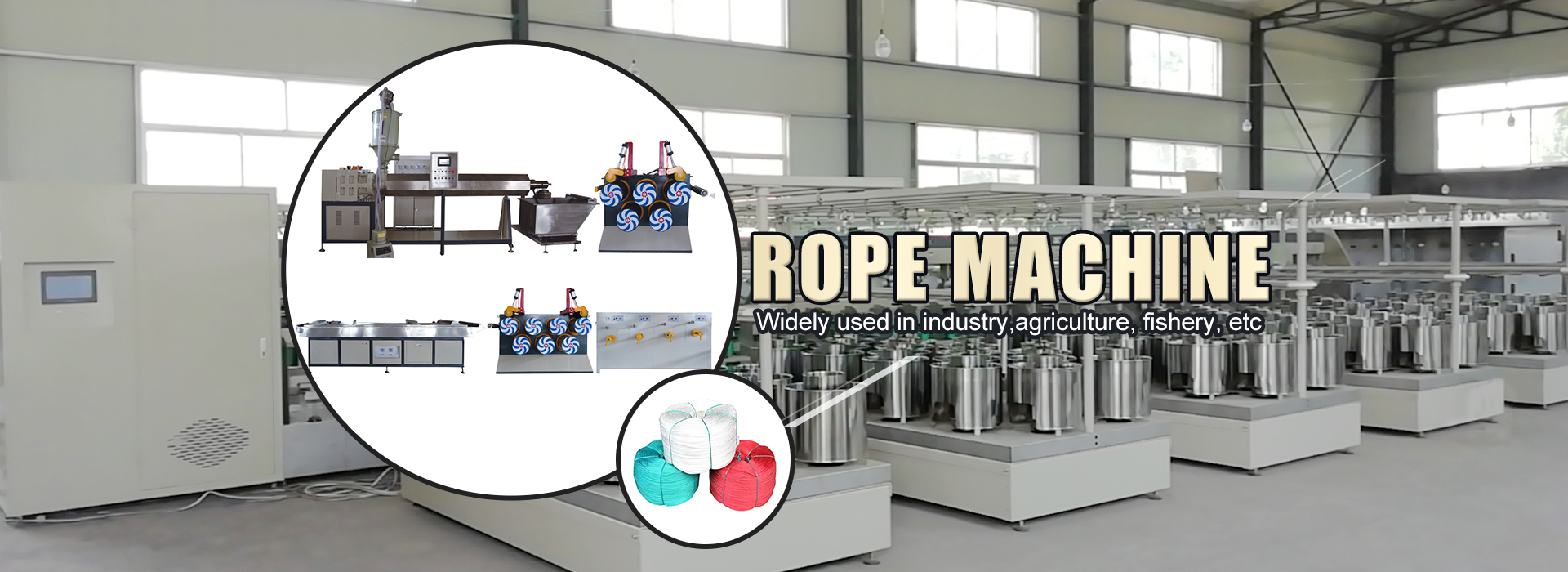



Rope making machines are the backbone of the cordage industry, transforming raw fibers into durable ropes used in maritime, construction, and industrial applications. However, these machines operate under high tension and continuous friction, making them prone to wear and tear if not properly maintained. A robust maintenance regimen is not just about preventing breakdowns; it is crucial for ensuring product quality, operator safety, and extending the machine's operational lifespan. Here are the key maintenance points every facility should prioritize.
Regular Lubrication and Bearing Care
The heart of a rope making machine lies in its rotating spindles, twist heads, and gearboxes. These components endure immense stress during the twisting process. Inadequate lubrication is a primary cause of premature failure. Operators must adhere to a strict schedule for greasing bearings and gears using high-quality, heat-resistant lubricants recommended by the manufacturer.
Actionable Tip: Check oil levels daily and inspect for leaks. Over-lubrication can attract dust and fiber debris, leading to abrasive wear, while under-lubrication causes overheating and seizing. Pay special attention to the "twist zone," where friction generates significant heat.
Tension Control System Inspection
Consistent rope quality depends entirely on uniform tension across all strands. If tension varies, the resulting rope may be weak, uneven, or prone to breaking. The tensioning devices (often brake pads or pneumatic clamps) must be inspected regularly.
Wear and Tear: Brake pads wear down over time, leading to inconsistent grip on the fibers. Replace worn pads immediately to prevent slackness or excessive strain that could snap the yarn.
Calibration: Periodically calibrate tension sensors and electronic controllers to ensure they respond accurately to load changes. A misaligned tension system can cause uneven twisting, ruining entire batches of product.

Cleaning and Debris Removal
Rope production generates significant amounts of fiber dust, lint, and broken strand fragments. If this debris accumulates, it can clog moving parts, jam sensors, or even ignite due to static electricity and friction heat.
Daily Routine: Implement a thorough cleaning protocol at the end of every shift. Use compressed air or vacuum systems to remove dust from motors, electrical panels, and guide rollers.
Roller Maintenance: Inspect guide rollers and tension wheels for glazing or buildup. Smooth, clean rollers are essential to prevent surface damage to the fibers and ensure smooth material flow.
Electrical and Safety System Checks
Modern rope makers rely heavily on automated control systems. Electrical faults can lead to costly downtime or dangerous situations.
Wiring and Connections: Regularly check for loose connections, frayed wires, or signs of overheating in control cabinets. Dust accumulation on circuit boards can cause short circuits.
Safety Interlocks: Test emergency stop buttons, safety guards, and light curtains weekly. These devices are the last line of defense against accidents involving entanglement or crushing injuries. Never bypass safety mechanisms for convenience.
Structural Integrity and Alignment
Over long periods, the vibration from high-speed operation can loosen bolts and misalign the machine frame.
Bolt Tightening: Conduct monthly inspections to tighten all structural bolts, especially those securing the main frame and drive units.
Alignment: Ensure that the feeders, twist heads, and take-up reels are perfectly aligned. Misalignment causes uneven wear on pulleys and can lead to irregular rope lay patterns.
Conclusion
Maintaining a rope making machine requires a proactive approach rather than a reactive one. By focusing on lubrication, tension accuracy, cleanliness, electrical safety, and structural alignment, manufacturers can minimize unexpected downtime and produce high-quality cordage consistently. Investing time in routine maintenance today saves significant costs and ensures safety tomorrow. In an industry where precision and reliability define success, a well-maintained machine is the ultimate competitive advantage.